Taking Control: Diabetes Care Close to Home
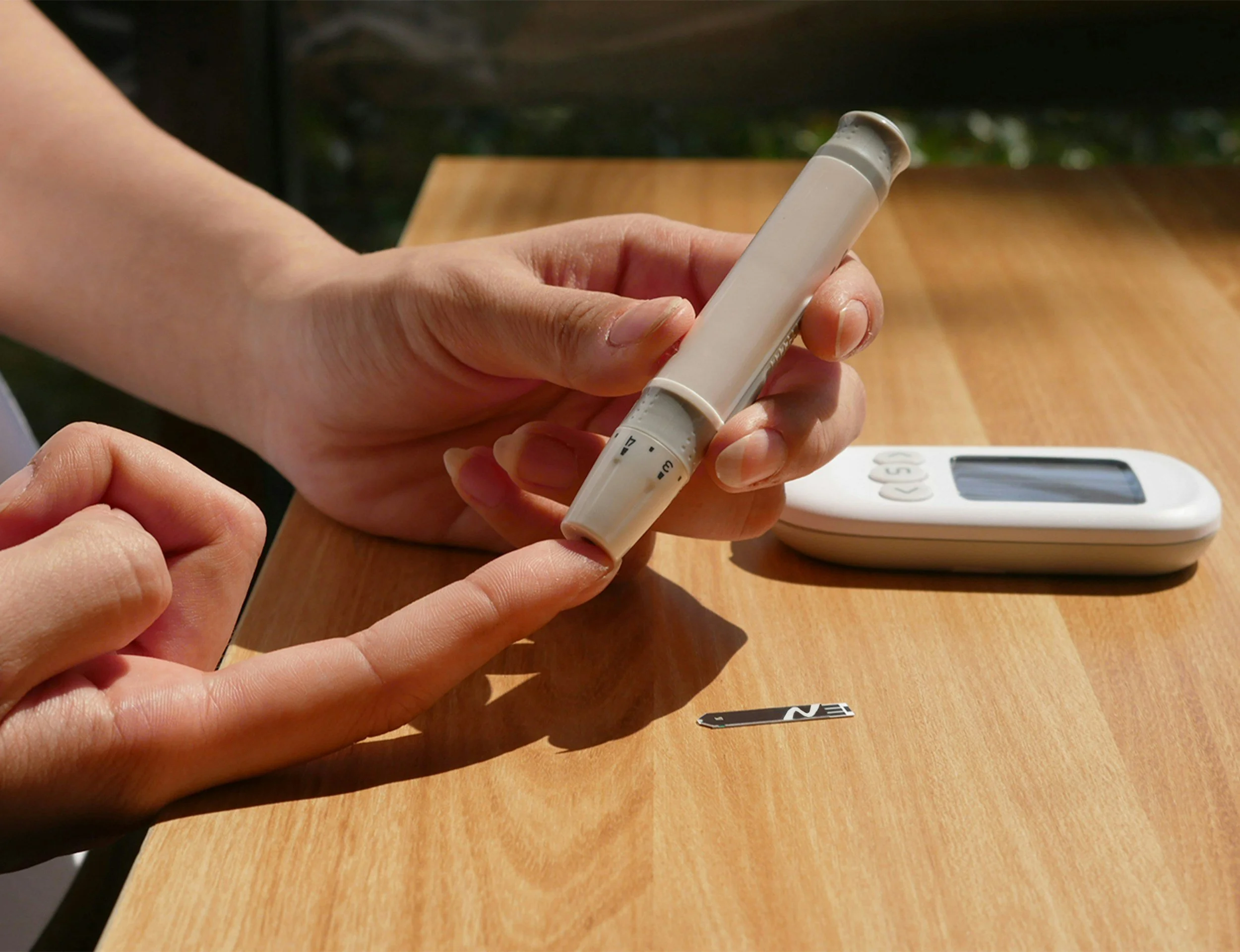
More than 400,000 Albertans are living with diabetes, and many don’t even know they have it. Here in Consort, our healthcare team works every day to help patients understand, manage, and even prevent diabetes through early detection, education, and ongoing support.
Understanding Diabetes
Diabetes is a condition where the body either doesn’t make enough insulin or can’t use it properly. Insulin is a hormone made by the pancreas that helps move sugar (glucose) from the food we eat into our cells for energy. When insulin doesn’t work as it should, glucose builds up in the bloodstream — leading to high blood sugar.
The most common signs and symptoms of diabetes can include unusual thirst and hunger, frequent urination, weight changes, extreme fatigue, blurred vision, frequent infections, tingling or numbness in the hands and feet, and slow-healing wounds. However, some people may not notice any symptoms at all. Over time, uncontrolled blood sugar can damage blood vessels and nerves, increasing the risk of heart disease, stroke, kidney disease, blindness, and foot complications.
There are two main types of diabetes:
Type 1 – usually diagnosed in children or young adults when the pancreas stops
producing insulin altogether. People with type 1 need insulin every day to survive.
Type 2 – far more common and typically develops in adulthood. The body either does not make enough insulin, or it doesn’t use the insulin it makes effectively.
Type 2 can often be managed — and sometimes prevented — with healthy lifestyle changes, medication, and regular monitoring.
Managing Diabetes
At the Consort Medical Clinic, diabetes management begins with your Nurse Practitioner (NP), who provides medical assessment, diagnosis, and individualized treatment plans.
Our NPs work closely with patients to:
Order and interpret lab tests, including HgbA1C (which reflects average blood sugar levels over three months)
Prescribe and adjust medications or insulin when needed
Monitor for complications such as heart disease, nerve damage, or kidney changes
Provide referrals to specialists and allied health professionals (such as diabetes educators, dietitians, ophthalmologists, or foot care nurses)
Coordinate care for patients managing multiple chronic conditions
Our clinic provides comprehensive, evidence-based care — with our team of clinic
nurses playing a vital role in ongoing support. Megan, our Primary Care Network (PCN) Registered Nurse, and Laura, our clinic Licensed Practical Nurse, provide one-on-one education for patients living with diabetes. They help patients understand their blood sugar results, build realistic routines for medication and self-monitoring, and develop meal and activity plans that fit rural life. Megan and Laura are also certified to perform monofilament testing — a quick, painless screening that checks for nerve damage (neuropathy) in the feet, one of the most common and serious complications of diabetes. This test is ordered by your Nurse Practitioner or primary care provider and helps to detect neuropathy problems early, which helps in preventing ulcers, infections, and long-term complications that can lead to amputation.
Cayley, the PCN foot care LPN, offers advanced foot care services to support patients with diabetes or circulation concerns. Regular foot care helps prevent ulcers, infections, and complications that can develop when nerve or blood flow problems go unnoticed. Together, this collaborative team approach ensures that every patient has both medical oversight and the education and encouragement to make lasting changes.
Understanding Insulin Resistance
Before Type 2 diabetes develops, many people experience a stage called insulin resistance. This means the body still makes insulin, but the cells in the muscles, liver, and fat tissue don’t respond to it properly. To compensate, the pancreas produces more insulin to keep blood sugar levels in check — but over time, it can’t keep up. As insulin resistance worsens, blood sugar levels begin to rise, leading first to pre- diabetes and, if untreated, to Type 2 diabetes. The good news is that insulin resistance can often be improved — and sometimes reversed — through lifestyle changes such as increasing physical activity, eating balanced meals with fewer refined carbohydrates, managing stress, and maintaining a healthy weight. That’s why early screening and education are so important.
The Power of Prevention
According to Alberta Diabetes Link, people with diabetes are 2.5 to 3 times more likely to experience a heart attack or stroke compared to the general population — yet Type 2
diabetes is often preventable. Our Registered Nurses, Julie and Leona, offer pre-diabetes education for patients whose blood sugar levels are elevated but not yet in the diabetes range. Through practical teaching and support, they help people make small, sustainable changes that can lower blood glucose and often delay or even avoid the need for medication. Adults aged 40 and older — especially those with a family history of diabetes, high blood pressure, or who carry extra weight — should talk to their healthcare provider about a simple blood test to check their blood sugar.
Local Care, Real Impact
Every week, our Nurse Practitioners and nursing team work together to help patients manage diabetes and prevent complications — one appointment, one conversation, one healthy choice at a time. Patients often tell us that having a trusted, local care team makes it easier to stay accountable and supported. Diabetes care isn’t just about numbers — it’s about relationships, teamwork, and encouragement.
This Diabetes Awareness Month, we celebrate the important work being done right here in Consort to keep our community healthy. To our Nurse Practitioners, and to our nurses Megan, Laura, Cayley, Julie, and Leona — thank you for your expertise, compassion, and commitment to rural healthcare. Because of your teamwork, people in our community can access diabetes prevention, education, and treatment without having to travel far from home.
