Women’s Health
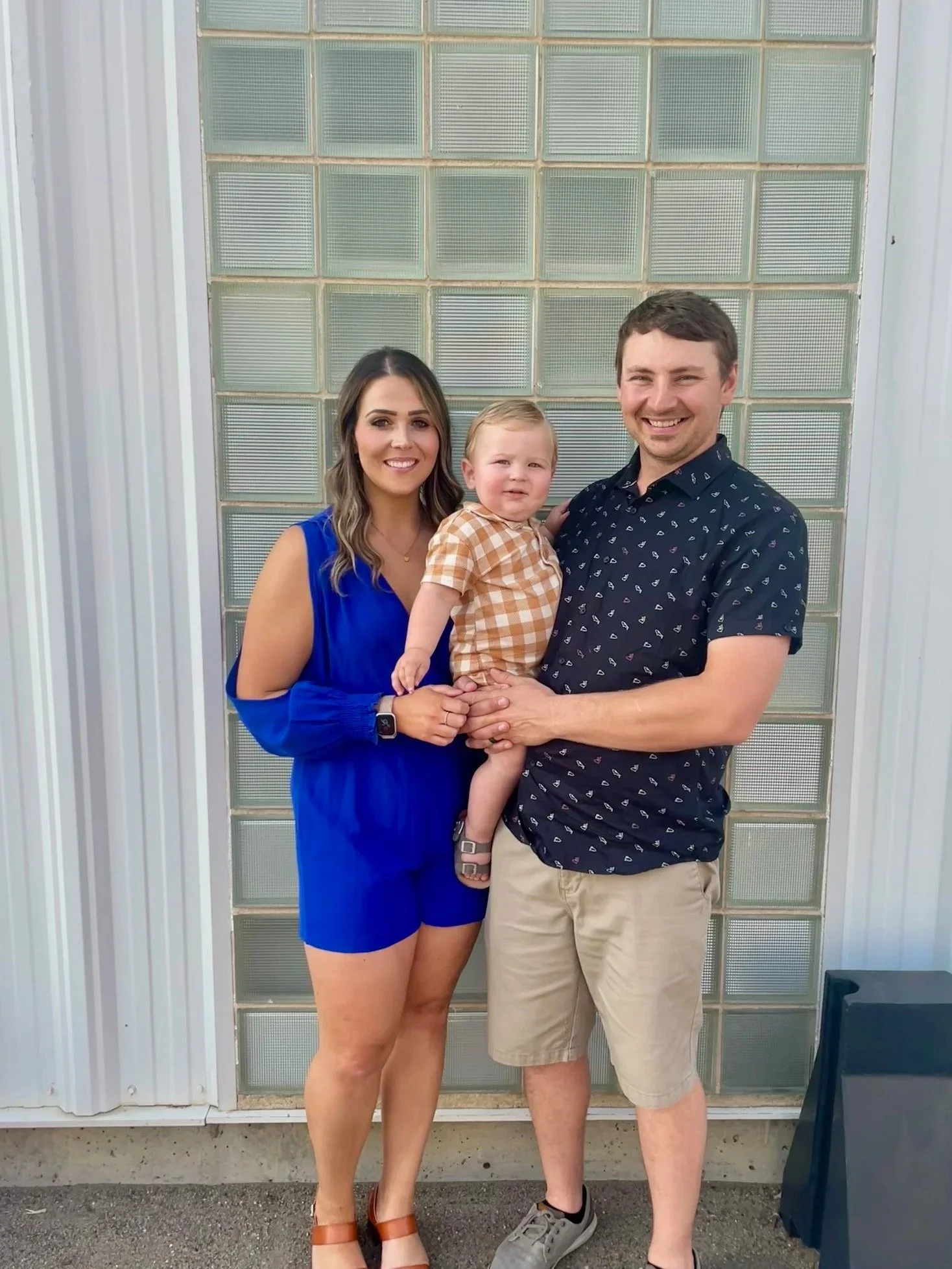
Monica Cholin, an Adult Nurse Practitioner specializing in women’s health, is making a lasting impact on healthcare accessibility for women across rural Alberta and Saskatchewan. Raised on a farm south of Castor, Monica’s roots have always been grounded in rural life. After completing her Bachelor of Science in Nursing at MacEwan University, she began her career in high-risk labour and delivery at the Lois Hole Hospital for Women in Edmonton — a position she describes as her “dream job.” It was there that her lifelong passion for women’s health took shape.
Upon returning to her rural roots, Monica quickly recognized a significant gap in healthcare accessibility between urban and rural settings — particularly when it came to women’s health services. This realization became the driving force behind her Master’s degree, which she completed at the University of Alberta in 2023. Her research focused on improving prenatal care for rural women in Canada, identifying existing barriers, and proposing tangible solutions. Monica’s scholarly work, “Rural Prenatal Care by Nurse Practitioners: A Narrative Review,” was published soon after, marking a major step forward in advancing healthcare delivery in rural communities. Her efforts have helped enhance prenatal care accessibility through a shared care model, bridging gaps for women across Alberta and Saskatchewan.
Women’s health is a broad term that encompasses a variety of concerns throughout different stages of life. This includes (but is not limited to): preconception counselling, prenatal and postpartum care, cervical cancer screening, contraceptive advice, safe sex practices and STI screening, pelvic and reproductive health concerns, breast cancer screening, perimenopause and the menopause transition. Monica stresses the importance of women taking control of their own health by getting regular check ups, eating a healthy balanced diet, exercising regularly, and completing screening tests as recommended by current provincial and federal guidelines.
Monica’s mission in Consort and the surrounding area is simple yet profound: to ensure that women can access education, resources, medical management, and specialty referrals close to home. Through patient-centered care, Monica works collaboratively with her patients, discussing both pharmacological and non-pharmacological options and encouraging informed decision-making. She believes empowering women to take control of their health leads to better outcomes and stronger communities.
There is a deep connection between mental and physical health for women— especially during perimenopause and the menopause transition. The average age of menopause in Canada is 51 with symptoms of perimenopause appearing up to 7-10 years before the menopausal transition. This means that changes in mood, irritability, difficulty concentrating and worsening anxiety or depression may become noticeable for women in their late thirties or early forties. Women in this age group often present to their primary care provider concerned that “I just don’t feel like myself”. If you have had this thought please know that you are not alone by feeling this way. There are many changes a woman’s body is going through mentally and physically as they get closer to the menopause transition. The most successful outcomes through perimenopause occur through open conversations and proactive care.
Through dedication, research, and a collaborative patient-centered approach, Monica is helping redefine women’s healthcare in rural Alberta. By blending academic insight with compassionate community practice, she is ensuring that women – no matter where they live – can access the care, knowledge, and support they deserve.